 Call Now:
Procurement Insights & Industry Updates
Explore the Latest Trends, Tips, and News in Procurement
Dive into expert articles, industry updates, and practical guides to help you navigate the world of tenders and procurement. Our blog is your resource for staying informed and ahead in your business journey.
Kenya Restarts China-Backed Railway Project in 2026; New Infrastructure Contracts Expected
Last Modified: 4/2/2026
 By Team GoodTenders
Nairobi
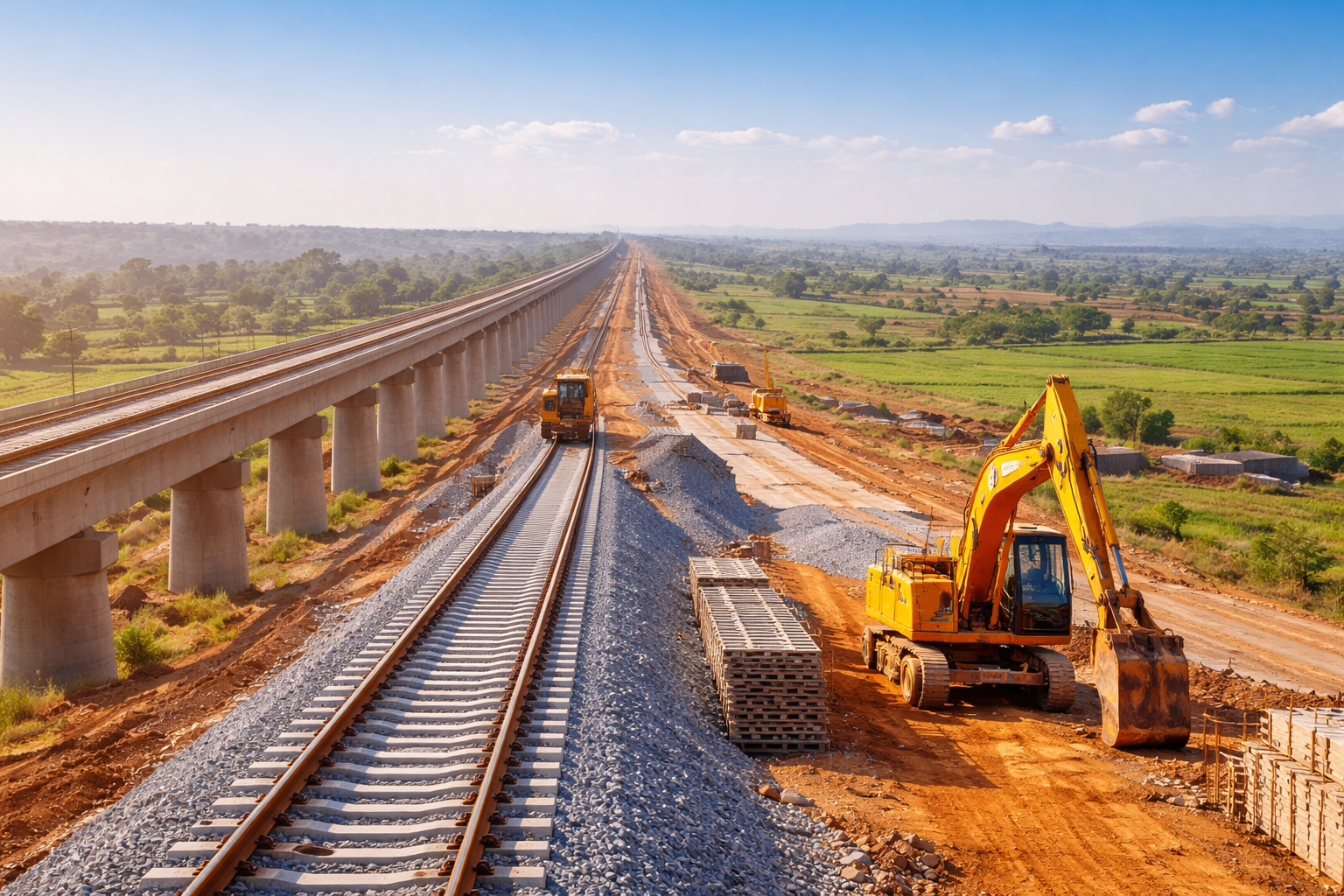
Kenya has restarted a multibillion-dollar railway extension after a six-year hiatus, reviving a project that had stalled due to reduced funding from China and delays in plans to connect the line to neighbouring Uganda. The new phase will be financed through revenue securitisation and constructed by a Chinese contractor, reflecting a shift in infrastructure funding models.
Scope of Work
The resumed railway project is expected to involve:
- Construction of new railway extension lines
- Track laying and civil infrastructure works
- Development of supporting rail systems
- Cross-border connectivity infrastructure toward Uganda
The project is part of a broader plan to enhance regional connectivity and trade.
Background and Project Delay
The railway’s first section, linking the port city of Mombasa to Nairobi, was completed in 2017. However, the extension project stalled in the Rift Valley, more than 350 km short of the Ugandan border, after China reduced funding for large-scale infrastructure projects under its Belt and Road Initiative.
The delay disrupted plans to establish a seamless cross-border rail link to boost regional commerce.
Project Restart and Political Backing
The project restart was officially marked during a launch event in Narok, where President William Ruto reaffirmed the government’s long-term commitment to the railway expansion.
The revival comes after Kenya and China renegotiated loan terms for earlier phases to reduce repayment pressure.
New Financing Model
Kenya is now adopting a revised financing approach based on revenue securitisation. A railway development levy charged on cargo transported via the existing line is expected to generate approximately 35 billion Kenyan shillings annually, which will be used to fund new construction phases.
This model reflects a broader shift toward risk-sharing between governments and contractors.
Contractor and Implementation
China Road and Bridge Corporation (CRBC) has been appointed as the main contractor for the new phase of the railway project.
The approach aligns with China’s evolving strategy of focusing more on investment-based infrastructure development rather than large sovereign loans.
Broader Infrastructure Strategy
The railway extension is part of a wider regional infrastructure plan aimed at improving trade corridors across East Africa. Future phases will focus on linking key cities and extending the network to the Ugandan border.
Kenya is also implementing similar financing structures in other infrastructure projects, including a major highway expansion currently under development.
Concerns and Considerations
The project has faced criticism in the past, particularly around debt sustainability and transparency of financing arrangements. Observers have also highlighted the risks associated with large-scale borrowing for infrastructure projects.
The government’s shift toward revenue-backed financing is seen as a response to these concerns.
What to Watch
- Construction of new railway phases underway in 2026
- Revenue-based financing model for future infrastructure projects
- Continued involvement of Chinese contractors in execution
- Potential expansion toward Uganda through the Kisumu–Malaba corridor
- Increased opportunities in rail infrastructure and supporting services
Access the Latest railway tenders on our platform to discover active opportunities and upcoming projects in the sector.